How to Choose a Kitchen Mixer Tap: Pull-Out, Swivel or Standard?
Choosing a kitchen mixer tap can feel surprisingly complicated. At first, it looks like a style decision: chrome, matte black, brushed nickel, brushed gold or gunmetal grey. But once you start comparing products, the real questions appear.
Do you need a pull-out spray?
Is a swivel mixer enough?
Will the spout reach the middle of the sink?
Will it suit your water pressure?
Can replacement parts be found later?
Does it meet New Zealand requirements?
For most New Zealand homes, the best kitchen mixer is the one that matches your sink size, bench layout, water pressure, cleaning habits and daily cooking routine. A pull-out mixer is useful for large sinks, deep bowls and busy kitchens. A swivel mixer is a practical all-rounder for single or double bowl sinks. A standard fixed mixer can work well in smaller kitchens, laundries or simple renovations where function and budget matter most.
There is no one “best” kitchen mixer tap for every home. The right choice depends on how you use the sink every day.
Quick answer: pull-out, swivel or standard?
Mixer type | Best for | Main advantage | Main trade-off |
|---|---|---|---|
Pull-out mixer | Large sinks, deep bowls, busy kitchens | Flexible spray reach for rinsing corners, pots and trays | More moving parts, usually higher price |
Swivel mixer | Most kitchens, double bowls, everyday use | Spout rotates between sink zones | Less flexible than pull-out spray |
Standard fixed mixer | Small kitchens, simple renovations, laundry sinks | Simple, clean and cost-effective | Limited reach and movement |
Pull-down mixer | Deep sinks, larger kitchens, statement designs | Strong vertical reach and spray function | Needs enough overhead clearance |
If you have a large single bowl or double bowl sink, a pull-out or swivel mixer is usually more practical than a fixed spout.
What is a pull-out kitchen mixer?
A pull-out kitchen mixer has a spray head that pulls out from the spout on a flexible hose. This lets you direct water around the sink instead of relying only on the fixed water stream.
It is useful for:
rinsing large pots
washing baking trays
cleaning sink corners
rinsing fruit and vegetables
filling containers near the sink
washing deep single bowls
cleaning double bowl sinks
reaching around a drainboard
A pull-out mixer is often a good match for large single bowl sinks because one flexible spray can cover the full bowl. It can also be useful in laundry areas where you may need to rinse buckets, shoes, cloths or cleaning tools.
The trade-off is that pull-out mixers have more moving parts. The hose, spray head and retraction mechanism all need to work well. That makes product quality, warranty and parts availability more important.
What is a swivel kitchen mixer?
A swivel kitchen mixer has a spout that rotates left and right. It does not pull out, but it can move between different sink zones.
This is one of the most practical choices for many NZ kitchens.
It works well for:
single bowl sinks
double bowl sinks
sinks with drainboards
everyday cooking
simple family kitchens
rental properties
renovations where reliability matters
A swivel mixer is especially useful with a double bowl sink because the spout can rotate between both bowls.
Compared with a pull-out mixer, a swivel mixer is simpler. There is no retractable hose, so there are fewer moving components. But it cannot rinse far corners as easily as a pull-out spray.
What is a standard kitchen mixer?
A standard kitchen mixer usually has one lever for hot and cold water and a fixed or limited-movement spout.
It can be a good choice when:
the sink is small
the budget is controlled
the kitchen is used lightly
the renovation is simple
the tap does not need to reach multiple zones
you want a clean, minimal look
A standard mixer can suit small apartments, rental properties, bar sinks, laundry sinks and compact kitchens.
The main limitation is reach. If the spout is too short or too fixed, it may not rinse the whole sink comfortably.
Pull-out vs pull-down: what is the difference?
Pull-out and pull-down mixers are similar, but not identical.
A pull-out mixer usually has a spray head that pulls outward toward the user. It can be easier to use in kitchens with overhead cupboards, shallower sinks or tighter bench spaces.
A pull-down mixer usually has a taller gooseneck shape, with the spray head pulling downward into the sink. It can work well with deeper bowls and larger kitchens but needs enough height clearance.
Some tapware guides note that pull-out mixers can suit shallower or double sinks and kitchens with overhead cupboards, while pull-down mixers often suit deeper sinks and larger sink zones.
For many New Zealand kitchens, the choice depends on sink depth, cupboard clearance and whether you prefer a compact or statement tap design.
Match the mixer to your sink type
A kitchen mixer should be chosen with the sink, not separately.
Large single bowl sink
Best options:
pull-out mixer
pull-down mixer
high swivel mixer
Why it works:
A large single bowl needs enough reach to clean the whole sink. A pull-out spray makes it easier to rinse corners, trays and pots.
Double bowl sink
Best options:
swivel mixer
pull-out mixer
Why it works:
The tap must reach both bowls comfortably. A fixed spout may feel limiting.
Sink with drainboard
Best options:
swivel mixer
pull-out mixer
Why it works:
A drainboard creates a wider working area. A swivel or pull-out mixer gives better coverage.
Compact sink
Best options:
standard mixer
compact swivel mixer
Why it works:
A large pull-down tap can look oversized on a small sink. A simple mixer may be more proportionate.
Laundry sink
Best options:
swivel mixer
pull-out mixer
taller standard mixer
Why it works:
Laundry sinks are used for buckets, cleaning tools, soaking and rinsing. Reach and clearance matter more than style alone.
Check spout height and reach
Two measurements matter most:
Spout height tells you how much vertical clearance you have under the tap.
Spout reach tells you where the water lands in the sink.
A tall spout helps with pots and buckets, but it may splash more if paired with a shallow sink. A short spout may reduce splashing, but it can make it harder to wash large items.
Before buying, check:
where the water will land
whether the spout reaches the centre of the bowl
whether the handle has enough clearance
whether the tap will hit a window sill
whether there are overhead cupboards
whether the sink is shallow or deep
whether the mixer suits the scale of the sink
Tapware buying guides commonly recommend checking home water pressure and selecting a tap that suits the system, because pressure affects performance.
Water pressure matters
Not every kitchen mixer performs the same on every water system.
Before buying, check whether your home has:
mains pressure
low pressure
unequal pressure
a hot water cylinder
a pressure-limiting valve
older plumbing
Some mixers require minimum pressure to work properly. If a mixer is not suitable for your system, water flow may feel weak, temperature control may be poor, or the spray function may not perform as expected.
If you are unsure, ask your plumber or installer before buying.
Finish choice: chrome, matte black, brushed nickel, gold or gunmetal?
The finish affects both style and maintenance.
Chrome
Chrome is the safest and most versatile choice. It works with most sinks and kitchens, reflects light well, and suits both modern and traditional spaces.
Best for:
rental homes
simple renovations
stainless steel sinks
bright kitchens
budget-conscious upgrades
Matte black
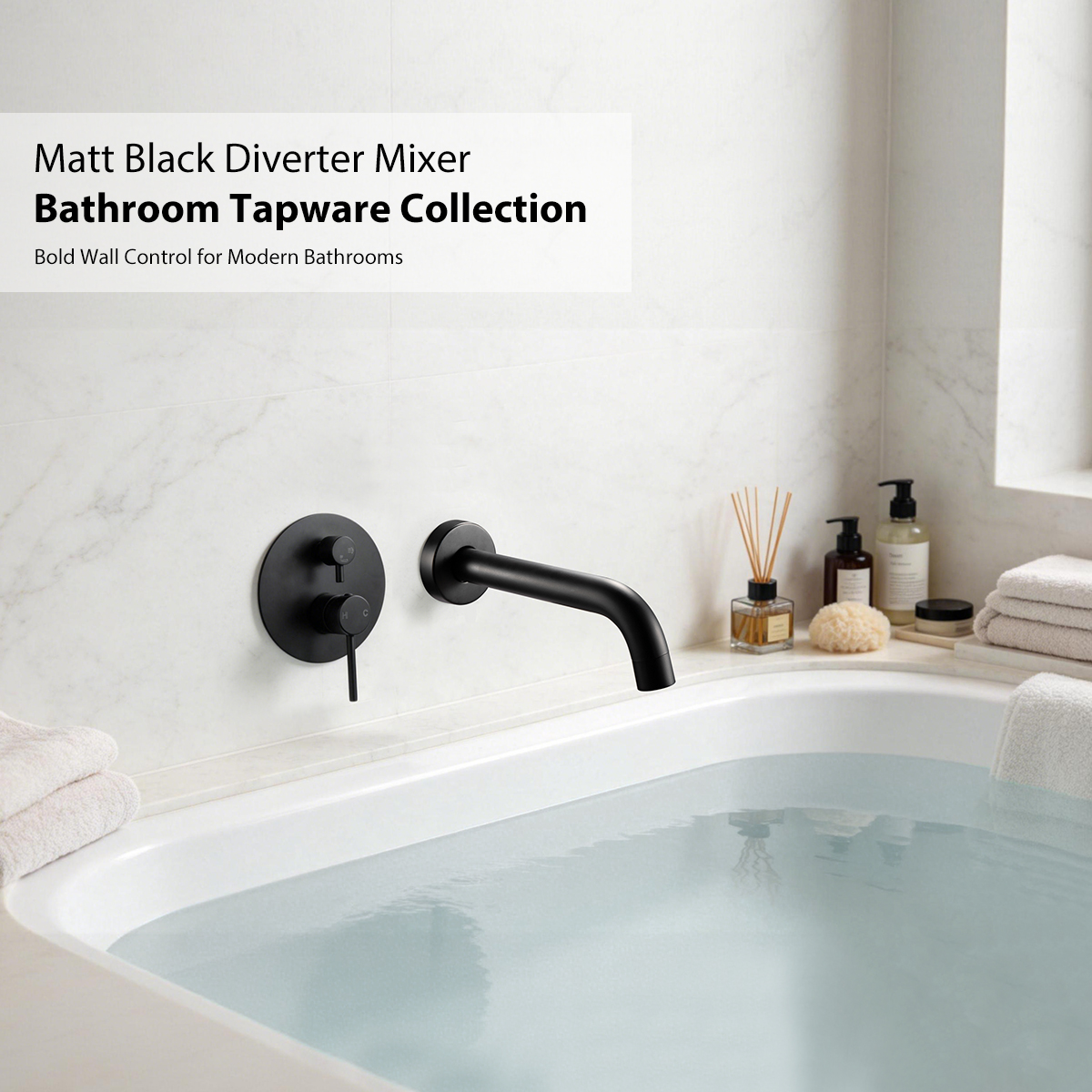
Matte black adds contrast and a modern feel. It works well with white benchtops, black sinks, concrete-look finishes and timber cabinetry.
Best for:
modern kitchens
black or white sink areas
statement tapware
matching black handles and appliances
Brushed nickel
Brushed nickel is softer than chrome and usually shows fewer marks visually. It works well in warm neutral kitchens.
Best for:
modern classic kitchens
timber cabinetry
soft grey or beige palettes
Brushed gold
Brushed gold adds warmth and a more decorative look. It works best when repeated elsewhere, such as handles, lighting or accessories.
Best for:
warm white kitchens
marble-look benchtops
premium design-led spaces
Gunmetal grey
Gunmetal grey is a modern alternative to black. It gives contrast without feeling as sharp as matte black.
Best for:
contemporary kitchens
grey benchtops
darker sinks
industrial or minimalist interiors
The safest rule is to repeat the finish at least two or three times in the room. A single gold or black tap can look accidental if nothing else connects to it.
What quality details should you check?
A kitchen mixer is used many times a day, so quality matters.
Before buying, check:
warranty
cartridge type
hose quality for pull-out models
spray head function
finish durability
water pressure suitability
replacement parts availability
installation instructions
product compliance
brand or supplier support
Some guides point out that the internal mixer cartridge is one of the key mechanical parts in a single-lever mixer, and that pull-out designs add hose and spray components that should be considered carefully.
This is why very cheap tapware can become expensive later if parts are hard to find or the finish fails quickly.
What should New Zealand buyers know about WaterMark?
For plumbing products in New Zealand, compliance matters. MBIE has published recognition notices confirming that selected plumbing and drainage products certified under the Australian WaterMark scheme meet specific New Zealand Building Code clauses. MBIE notes that around 92,500 WaterMark products from the tapware category were recognised under this pathway.
The Building CodeHub notice for WaterMark Tapware RN-10009 identifies tapware certified to AS 3718:2021 and certain other listed standards as recognised products under the Approved Products Certified Overseas pathway, subject to the notice’s conditions and limitations.
For homeowners, the practical takeaway is simple: before buying tapware, check that the product is suitable for use in New Zealand and that your plumber or installer is comfortable with the documentation.
What to measure before buying a kitchen mixer
What to check | Why it matters |
|---|---|
Tap hole size and position | Confirms the mixer will fit the sink or benchtop |
Sink bowl size | Affects spout reach and splash |
Spout reach | Water should land in a useful part of the bowl |
Spout height | Helps with pots but may increase splash |
Bench depth | Ensures the mixer fits behind the sink |
Window clearance | Tall taps may hit windows or sills |
Overhead cupboard clearance | Important for pull-down and tall gooseneck taps |
Water pressure | Ensures flow and spray function work properly |
Handle clearance | Prevents handles hitting splashbacks or walls |
Under-sink space | Pull-out hoses need space to move freely |
Finish match | Helps coordinate with sink, handles and appliances |
Common mistakes to avoid
Choosing by looks only
A beautiful tap that does not reach the sink properly will be annoying every day.
Buying a tall mixer for a shallow sink
This can cause splash, especially with high water pressure.
Forgetting under-sink clearance
Pull-out hoses need space below the sink. Cleaning products, bins or pipework can block the hose.
Choosing a fixed spout for a double bowl sink
A fixed mixer may not reach both bowls comfortably.
Ignoring water pressure
A mixer that looks perfect online may perform poorly if it does not suit your home’s water pressure.
Mixing too many finishes
Chrome, black, gold and gunmetal in one small kitchen can look messy. Keep finishes consistent.
Simple decision guide
Your kitchen situation | Best mixer type |
|---|---|
Large single bowl sink | Pull-out or pull-down mixer |
Double bowl sink | Swivel or pull-out mixer |
Compact kitchen | Standard or compact swivel mixer |
Laundry sink | Swivel or pull-out mixer |
Shallow sink | Lower or medium-height mixer |
Deep sink | Taller mixer or pull-out spray |
Family kitchen | Pull-out mixer |
Rental property | Simple swivel mixer |
Design-led renovation | Pull-out, pull-down or statement finish |
Tight overhead cupboard space | Pull-out rather than tall pull-down |
FAQ
Is a pull-out kitchen mixer worth it?
Yes, if you regularly rinse large pots, trays, deep bowls or sink corners. It is especially useful with large single bowl sinks and busy family kitchens.
Is a swivel mixer enough for most kitchens?
For many homes, yes. A swivel mixer is simple, practical and works well with single or double bowl sinks.
What is the difference between pull-out and pull-down mixers?
A pull-out mixer usually pulls outward toward the user and can suit tighter kitchens or shallower sinks. A pull-down mixer usually has a taller gooseneck shape and pulls downward into the bowl, which can suit deeper sinks and larger kitchens.
Can I use a pull-out mixer with a double bowl sink?
Yes. It can work well, provided the spout reach and hose movement cover both bowls comfortably.
What tap finish is easiest to match?
Chrome is usually the easiest to match because it works with stainless steel sinks, many appliances and most kitchen styles.
Is matte black tapware hard to maintain?
Matte black can look very clean and modern, but water spots and soap residue may show depending on water quality and cleaning habits. Use non-abrasive cleaners and avoid harsh scrubbing.
What should I check before buying tapware in New Zealand?
Check water pressure suitability, installation requirements, warranty, replacement parts, finish, tap hole compatibility and product compliance. MBIE has recognised selected WaterMark-certified tapware under the Approved Products Certified Overseas pathway for relevant Building Code clauses.
Do I need a plumber to install a kitchen mixer?
In most cases, using a plumber is the safest option. They can confirm pressure suitability, connections, sealing, compliance and whether any additional parts are needed.
Final thoughts
A good kitchen mixer tap should make daily kitchen tasks easier. It should reach the right part of the sink, suit your water pressure, match your bench and cabinetry, and hold up to everyday use.
Choose a pull-out mixer if flexibility matters most. Choose a swivel mixer if you want a reliable everyday option for single or double bowl sinks. Choose a standard mixer if your kitchen is compact, simple or budget-focused.
The best choice is not always the most expensive or the most stylish. It is the mixer that works naturally with your sink, your layout and the way your household actually uses the kitchen.