How to Plan a Laundry Sink Area in a Small NZ Home
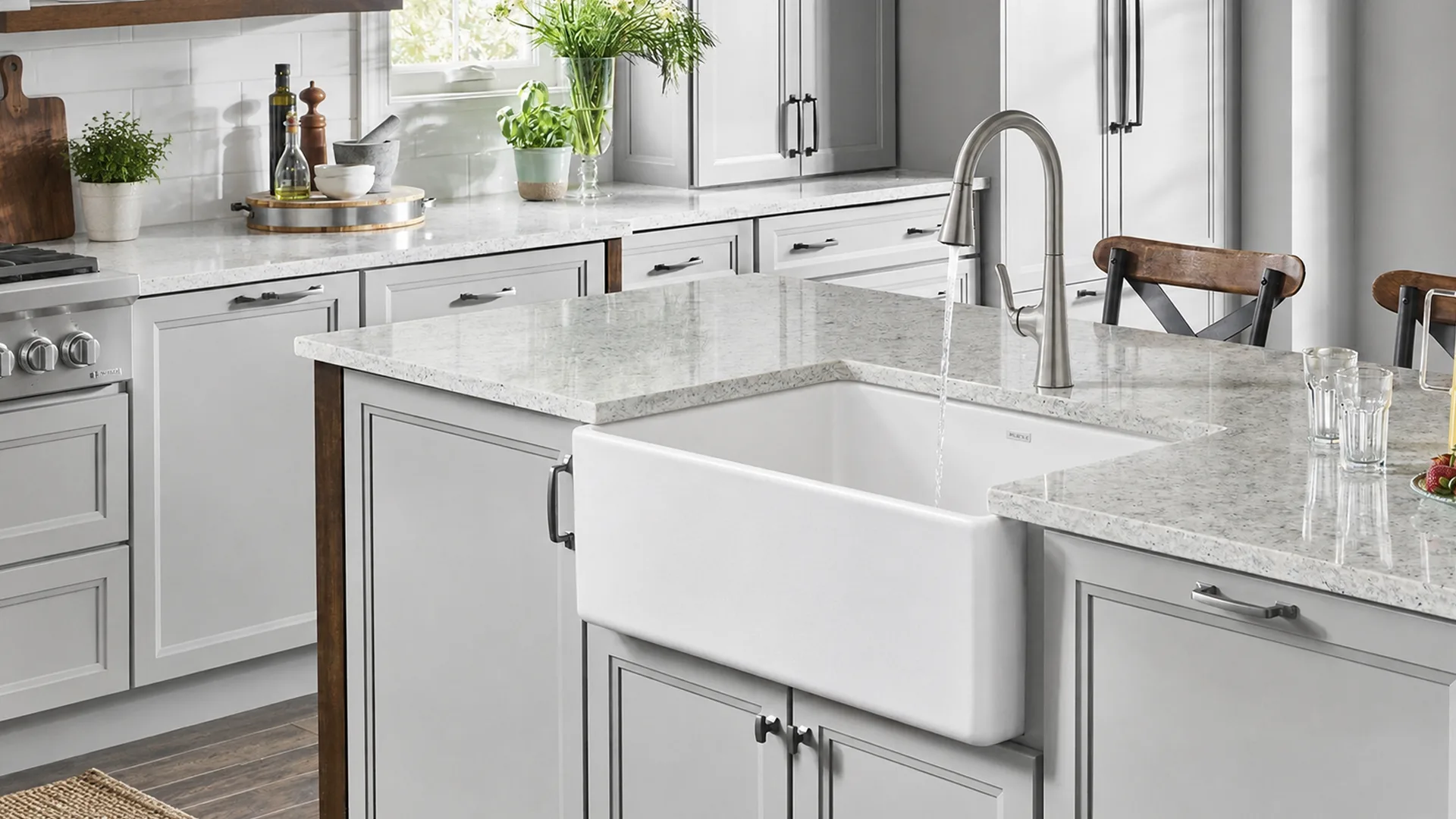
How to Plan a Laundry Sink Area in a Small NZ Home
A laundry sink area is one of the most practical spaces in a New Zealand home, but it is often one of the least planned. In many older houses, apartments and townhouses, the laundry is squeezed into a hallway cupboard, garage corner, bathroom, kitchen wall or narrow utility space.
That makes every decision matter.
The right laundry sink area can handle soaking, rinsing, handwashing, cleaning tools, filling buckets, pet mess, muddy shoes, paint brushes and everyday household jobs. The wrong setup can waste bench space, splash water everywhere, block cupboard doors, or make a small laundry feel cluttered.
For small NZ homes, the best laundry sink area usually combines a deep practical sink, suitable tapware, smart storage, durable surfaces and good moisture control. It should not be designed only for laundry day. It should work as a flexible cleaning zone for the whole home.
Why a laundry sink still matters
Some homeowners wonder whether they still need a laundry sink when they already have a kitchen sink.
In a small home, that is a fair question. But a laundry sink often does jobs you may not want to do in the kitchen.
A laundry sink is useful for:
soaking stained clothes
rinsing muddy shoes
cleaning mops and brushes
filling buckets
handwashing delicate fabrics
washing pet bowls or small pet items
rinsing paint tools
cleaning outdoor items
draining wet cloths
dealing with messy household tasks
A kitchen sink is for food, dishes and cooking. A laundry sink is for utility work. Keeping those tasks separate can make the home feel cleaner and more organised.
Quick planning guide
Decision | Best option for a small NZ home | Why it works |
|---|---|---|
Sink type | Deep single bowl | Flexible for buckets, soaking and rinsing |
Tapware | Swivel or pull-out mixer | Better reach for cleaning and filling |
Installation | Topmount for simple renovations | Easier to fit into many benchtops |
Storage | Under-sink cabinet + wall shelf | Uses vertical space |
Bench space | At least one clear landing zone | Helps sorting and folding |
Moisture control | Ventilation + wipeable surfaces | Reduces dampness and musty smells |
Finish | Stainless steel, white or dark composite | Match durability with style |
Start with the jobs you need the sink to do
Before choosing a sink, list the tasks your laundry area needs to handle.
Ask:
Will you soak clothes often?
Do you need to fill buckets?
Will you rinse muddy shoes or sports gear?
Will you use the sink for pets?
Do you need space for cleaning sprays and cloths?
Will the laundry also work as a kitchen overflow area?
Is the sink close to a washing machine?
Will wet items need somewhere to drain?
A laundry sink should be chosen based on use, not just width.
For example, a compact sink may fit the cabinet, but if it is too shallow for a bucket, it will be frustrating. A large sink may feel useful, but if it removes all bench space, the laundry becomes harder to use.
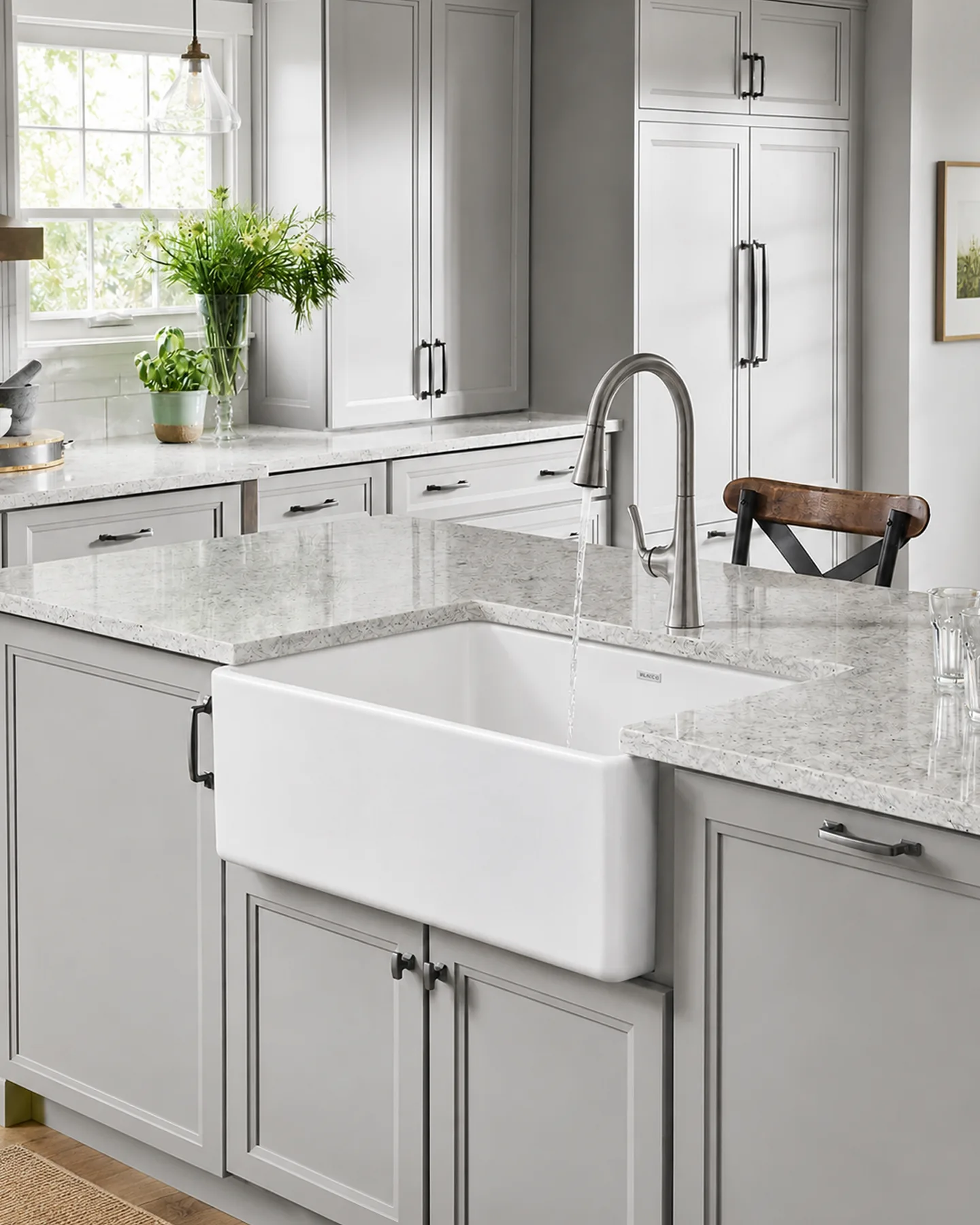
Choose the right sink size
In a small laundry, the sink should be big enough to work but not so large that it dominates the room.
Compact laundry sink
A compact sink can work in:
apartments
hallway laundries
small utility cupboards
powder room-laundry combinations
secondary cleaning zones
Best for:
handwashing small items
rinsing cloths
occasional cleaning
light household use
The limitation is that compact sinks may not handle buckets, large soaking loads or bulky cleaning tools well.
Deep single bowl sink
A deep single bowl is often the best all-round option.
It works well for:
soaking clothes
filling buckets
cleaning mops
rinsing shoes
washing pet items
general utility use
A deep bowl gives more vertical working space without always needing a very wide benchtop.
Sink with drainboard
A drainboard is very useful in laundry spaces because wet items often need somewhere to sit.
It helps with:
draining handwashed clothes
placing wet brushes
setting down cleaning bottles
drying cloths
protecting the bench from water
The trade-off is width. If the room is very narrow, a drainboard may reduce bench or storage space too much.
Single bowl vs double bowl for laundry
For most small laundry areas, a single bowl sink is the better starting point.
A single bowl gives one open space for awkward tasks. You can fit larger items more easily, and the cabinet layout is usually simpler.
A double bowl can be useful if the laundry is also a scullery or kitchen overflow zone, but it needs more width.
Sink type | Best for laundry use | Main benefit |
|---|---|---|
Single bowl | Most small laundries | More flexible space |
Deep single bowl | Utility cleaning | Better for buckets and soaking |
Single bowl with drainboard | Busy laundry areas | Adds wet landing space |
Double bowl | Larger laundry/scullery zones | Separates soaking and rinsing |
For compact New Zealand homes, a deep single bowl with good tapware usually gives the most practical result.
Topmount vs undermount laundry sinks
Topmount sink
A topmount sink is often practical for laundry renovations because it can be easier to install into common benchtop materials.
It suits:
laminate benchtops
budget renovations
rental properties
laundry cabinets
easier replacement projects
It also gives a visible rim, which can be more forgiving in utility spaces.
Undermount sink
An undermount sink gives a cleaner, more seamless look because it sits beneath the benchtop.
It suits:
engineered stone tops
higher-end laundries
kitchen-laundry integrated designs
homes where the laundry is visible from living areas
The trade-off is installation complexity. Undermount sinks need suitable benchtop support, good sealing and careful installation.
Choose tapware that suits laundry tasks
Laundry tapware should be practical first.
Swivel mixer
A swivel mixer is a reliable choice for most laundry sinks. It lets you move the water stream around the bowl and can make filling or rinsing easier.
Best for:
everyday laundry use
single bowl sinks
sink-and-drainboard layouts
simple renovations
Pull-out mixer
A pull-out mixer can be especially useful in a laundry because the flexible spray head helps with cleaning awkward items.
Best for:
deep sinks
pet washing
bucket filling
cleaning tools
rinsing corners
multi-use laundry/kitchen zones
Standard mixer
A standard mixer can work if the sink is small and the tasks are light. But in most laundry areas, some movement or reach is helpful.
Before buying tapware, check:
spout height
spout reach
handle clearance
water pressure suitability
tap hole position
under-sink hose clearance for pull-out mixers
finish match
warranty and replacement parts
For New Zealand projects, plumbing products and installation need to comply with the Building Code. MBIE notes that plumbing and drainage work can require consent depending on scope, and some repair, maintenance or replacement work may be exempt when carried out by an authorised person.
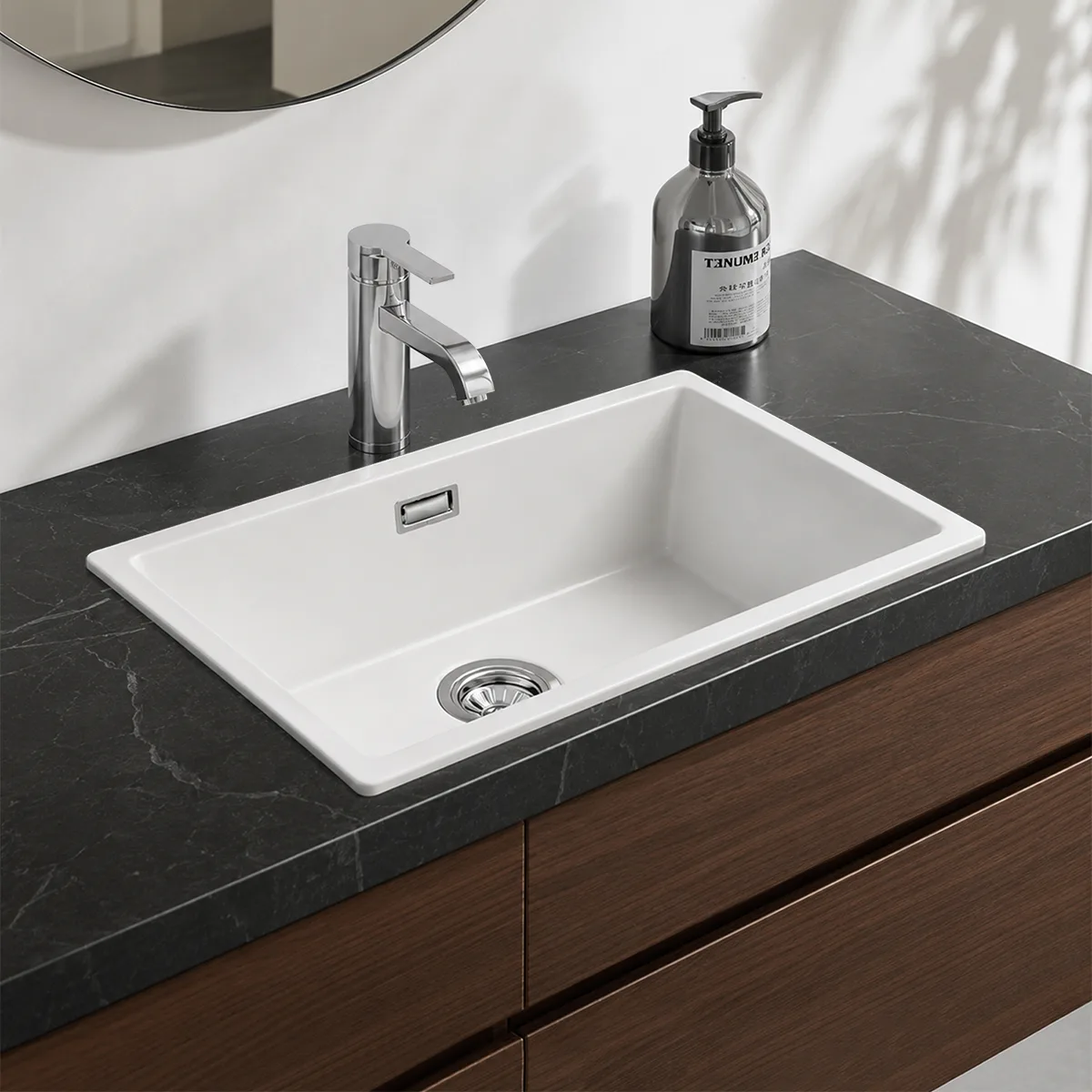
Plan the layout around movement
A small laundry needs more than a sink and washing machine. It needs working space.
Think about:
where dirty clothes arrive
where wet items sit
where clean items go
how the washing machine door opens
whether the dryer is stacked or beside the washer
whether cabinet doors can open
whether someone can stand at the sink comfortably
whether a bucket can be placed under the tap
whether the sink is too close to a wall or corner
If space is tight, consider a stacked washer and dryer to free up room for a laundry cabinet and sink. A wall shelf or tall cabinet can also improve storage without using floor area.
Bench space matters
A laundry sink area needs at least one landing zone.
Even a small section of bench helps with:
sorting small items
placing detergent
folding cloths
setting down a basket
treating stains
holding cleaning supplies
putting down wet items before rinsing
If there is no bench space, the sink becomes harder to use.
A common mistake is choosing the largest possible sink, then leaving nowhere to place anything. In a small laundry, balance is more important than maximum bowl size.
Storage ideas for small laundry areas
Good storage keeps the laundry from becoming a dumping zone.
Useful storage options include:
under-sink cabinet
wall-mounted shelves
tall broom cupboard
pull-out laundry hamper
hooks for brushes
rail for spray bottles
slim cabinet beside washer
overhead cupboards
open shelf for baskets
drawer for pegs, cloths and small items
Keep daily-use items within easy reach, but hide bulk supplies where possible. A small laundry looks better when detergent, cloths and tools have fixed homes.
Moisture and ventilation
Laundry areas create moisture, especially when clothes are washed, dried or hung indoors.
New Zealand Building Code clause E3 requires an adequate combination of thermal resistance, ventilation and space temperature for bathrooms, laundries and other spaces where moisture may be generated or accumulate. Building Performance also explains that wet-area surfaces need to be impervious, easily cleaned and ventilated to support health and safety.
Good moisture control may include:
venting dryers outside where possible
opening windows when suitable
using mechanical ventilation in enclosed laundries
wiping wet surfaces
choosing moisture-resistant cabinetry
avoiding long-term indoor drying without ventilation
keeping the sink area easy to clean
EECA notes that drying clothing indoors can release up to 5 litres of water into a home per load, and recommends stopping moisture at the source and keeping fresh air moving through the house.
This matters even more in small homes, where a laundry cupboard or combined bathroom-laundry can trap moisture quickly.
Materials that work well in laundry areas
A laundry sink area needs finishes that can handle water, cleaning products and daily wear.
Stainless steel
Stainless steel is practical, durable and easy to coordinate with many tapware finishes.
Best for:
utility laundries
rental properties
family homes
heavy cleaning tasks
Granite composite
Granite composite can make a laundry area look more designed, especially when it is visible from a kitchen or hallway.
Best for:
modern interiors
kitchen-laundry combined zones
white, black or neutral schemes
homes wanting a softer, less commercial look
Laminate benchtops
Laminate can be cost-effective and practical if edges are properly sealed and water is wiped up regularly.
Engineered stone or solid surfaces
These create a more premium look and work well with undermount sinks, but they need correct installation and support.
Moisture-resistant cabinetry
Laundry cabinets should be designed for wet-area use. Avoid materials that swell quickly if exposed to water.
Matching the laundry sink and tapware to the home
A laundry area does not have to look like an afterthought. Small details can make it feel connected to the rest of the home.
Design combinations that work well:
Style | Sink choice | Tapware finish |
|---|---|---|
Clean modern | Stainless steel single bowl | Chrome or brushed nickel |
Soft neutral | White granite composite sink | Chrome, brushed nickel or brushed gold |
Modern contrast | Black granite composite sink | Matte black or gunmetal |
Utility practical | Stainless steel sink with drainboard | Chrome |
Premium laundry | Undermount sink | Brushed nickel, gunmetal or brushed gold |
The easiest way to make a small laundry look finished is to repeat finishes: tapware, cabinet handles, towel hooks and shelving brackets should feel connected.
What to measure before buying
Use this checklist before ordering a laundry sink or tapware.
What to measure | Why it matters |
|---|---|
Cabinet width | Confirms the sink will fit |
Bench depth | Prevents the sink from crowding the front edge |
Bowl depth | Affects bucket filling and under-sink storage |
Tap hole position | Confirms mixer placement |
Spout height | Determines bucket and bottle clearance |
Spout reach | Controls where water lands |
Waste position | Affects plumbing connection |
Washer and dryer doors | Prevents layout conflicts |
Wall clearance | Ensures tap handles can move |
Power points | Important near appliances and dryers |
Ventilation path | Helps manage moisture |
Do not order based only on the product photo. Small laundry spaces are unforgiving, and a few centimetres can change how well the area works.
Common mistakes to avoid
Choosing a shallow sink
A shallow sink may look neat but can be frustrating for buckets, soaking and cleaning tools.
Forgetting tap reach
A tap that does not reach the centre of the bowl can cause splash and awkward use.
Leaving no bench space
The laundry needs a landing area, even if it is small.
Ignoring moisture
A laundry cupboard with no ventilation can quickly become damp and musty.
Using kitchen-style choices without thinking about utility tasks
A laundry sink is often used more roughly than a kitchen sink.
Not checking plumbing scope
Moving or adding plumbing can affect cost, timing and consent requirements.
Overloading the room
Too many cabinets, baskets and appliances can make a small laundry harder to use.
Simple decision guide
Your situation | Best starting point |
|---|---|
Very small laundry cupboard | Compact deep single bowl |
Family laundry | Deep single bowl with drainboard |
Laundry beside kitchen | Granite composite sink with matching tapware |
Garage laundry | Stainless steel topmount sink |
Laundry used for pets or cleaning tools | Pull-out mixer + deep bowl |
Rental or budget renovation | Stainless steel topmount sink and swivel mixer |
Premium visible laundry | Undermount sink + coordinated mixer finish |
No dryer vent or poor airflow | Improve ventilation before adding storage |
FAQ
Do I really need a laundry sink in a small home?
Not every home needs one, but a laundry sink is useful if you soak clothes, rinse cleaning tools, fill buckets, wash pet items or want to keep messy jobs out of the kitchen sink.
What size laundry sink is best?
For most small NZ homes, a deep single bowl is the best starting point. It gives flexible space for soaking and rinsing without needing the width of a double bowl.
Is a drainboard useful in a laundry?
Yes. A drainboard gives wet items somewhere to sit and helps protect the bench. It is especially useful in family laundries and utility spaces.
Should I choose stainless steel or granite composite?
Choose stainless steel for practicality and heavy-duty cleaning. Choose granite composite if the laundry is visible and you want it to feel more designed and integrated with the rest of the home.
Is a pull-out tap good for a laundry sink?
Yes, especially for deep sinks, bucket filling, pet washing and cleaning tools. Just make sure there is enough under-sink space for the hose to move freely.
Can I move a laundry tub without building consent?
Some alterations to existing sanitary plumbing may not need building consent if they meet the Building Act exemption requirements and are carried out by an authorised person. Building Performance gives an example where an existing laundry tub is moved to an adjacent kitchen without building consent under specific conditions. Always check the scope with a licensed plumber or council before starting.
Does a laundry need ventilation?
Yes. Laundries are spaces where moisture can be generated or accumulate, and the Building Code requires an adequate combination of ventilation, thermal resistance and space temperature for these spaces.
What is the best tapware finish for a laundry?
Chrome is the safest and easiest to match. Brushed nickel gives a softer premium look. Matte black and gunmetal work well in modern laundries, especially with dark sinks or black cabinet handles.
Final thoughts
A small laundry sink area should be designed around real household tasks, not just the smallest cabinet that fits.
For many New Zealand homes, the best setup is a deep single bowl sink, practical swivel or pull-out mixer, one clear bench zone, moisture-resistant storage and good ventilation. A drainboard can be valuable if the laundry handles daily washing, soaking or cleaning tools. A granite composite sink can help the laundry feel more like part of the home, while stainless steel remains a reliable utility choice.
The most successful laundry areas are simple, durable and easy to clean. They give messy jobs a proper place, keep moisture under control, and make a small home work harder every day.